The Charles Bluemlein Script Collection is a fascinating reminder of the golden age of hand lettering and calligraphy in the United States. From the early 1930s through World War II, there were about 200 professional hand letterers working in New York City alone. This profession began to decline with the advent of photo lettering and, following the rise of digital typography, became virtually extinct. The unusual method by which the Bluemlein scripts were assembled and created—by collecting different signatures and then building complete alphabets from them—is a fascinating calligraphic journey. Because the resulting designs bore no resemblance to the original signatures, fictitious names were assigned to the new script typefaces. The typeface styles were then featured in Higgins Ink catalogs.
The Charles Bluemlein Script Collection is an exceptional historical document that captures the vibrancy of hand lettering in the United States between 1930 and 1945. The project is based on a unique methodology: the reconstruction of systematic alphabets based on the morphology of real signatures, a process that led to the creation of entirely new graphic identities and the assignment of fictitious names for cataloging by Higgins Ink. Academically, the collection represents a “calligraphic adventure” that preserves a craft now extinct, transforming the biometric trace of the signature into a functional typographic system. Curated by Alejandro Paul and Sudtipos, this collection revives this legacy, allowing the elegance of prewar New York to authentically live on in contemporary design.
Mr Donaldson Pro
ID / Record
#633
Credits
Alejandro Paul
Licensing
Público con costo
Foundry
Sudtipos
Release
2009
Classification
Títulos, Script
Class
Retail
Variants
2 Styles
Regional Node(s)
Argentina, Argentina
Verified Information
Access / License
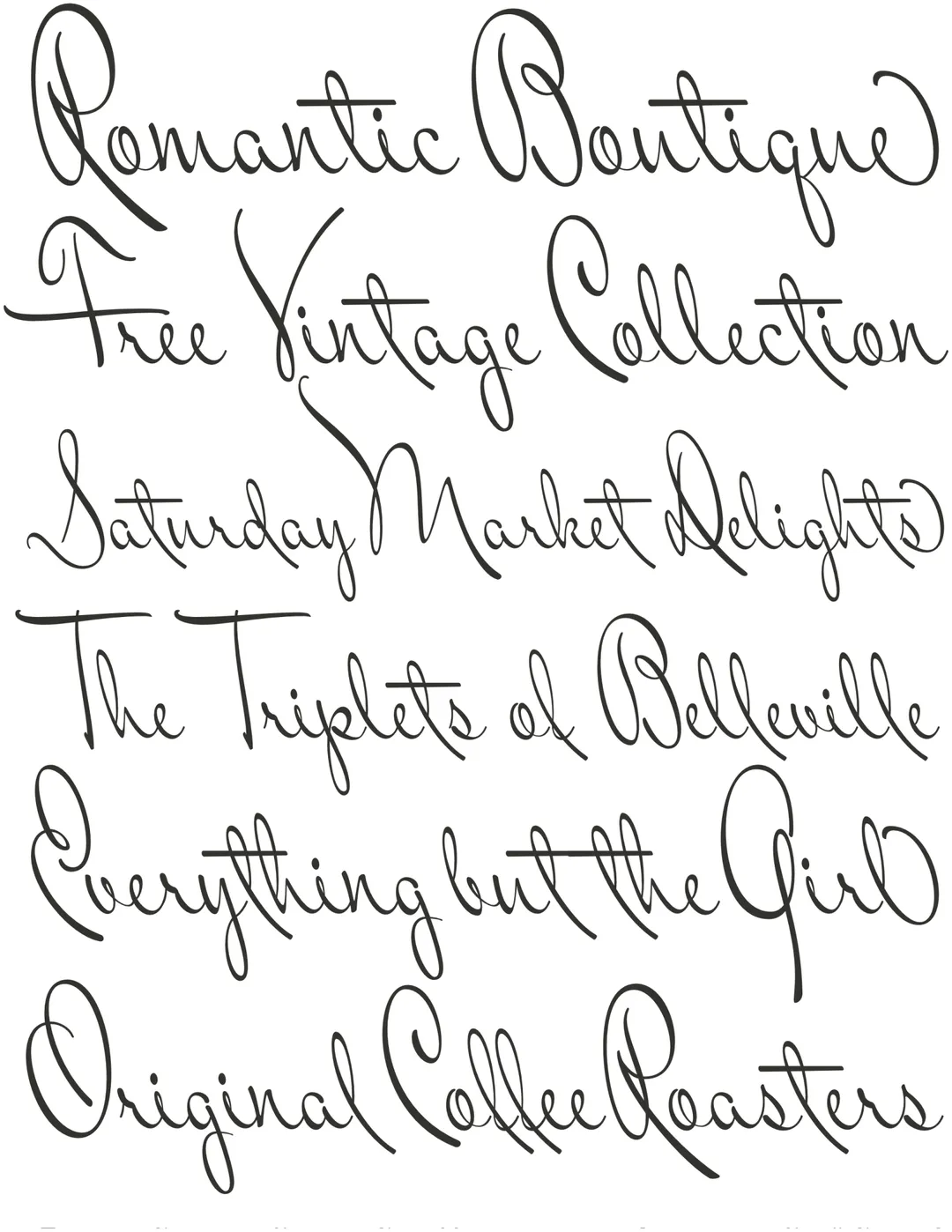
Note. Specimen of the typeface Mr Donaldson Pro. Copyright by
Sudtipos.
RECOMMENDED CITATION
TipoMap Latam. (2026). Mr Donaldson Pro. In Mapping of Typographic Production in Costa Rica (record #633). UASLP. Entry consulted at https://tipomap.lat/cr/view_typo?id=633